What Do Manufacturers Have to Say About Tire Age?
Tire manufacturers publish service-life bulletins - six to ten years, regardless of remaining tread. Here's what they say and how it affects you.
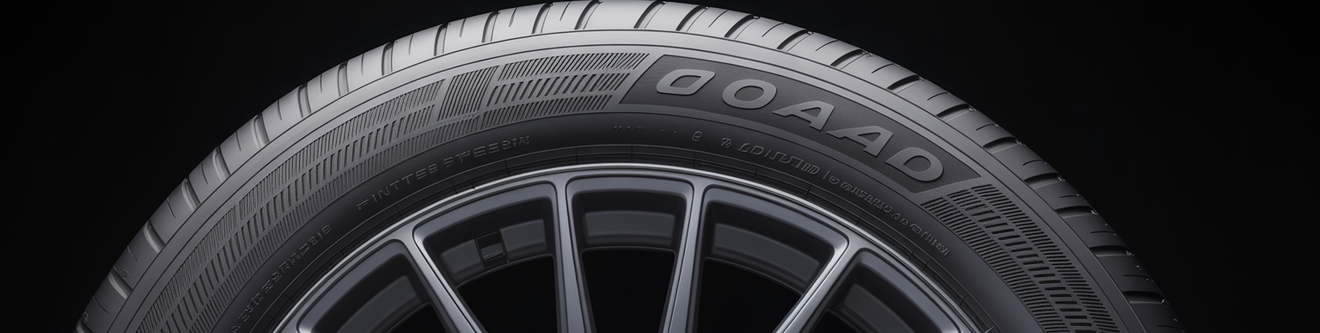
A tire service-life bulletin is a manufacturer's official statement on how long their tires should remain in service before replacement, regardless of tread depth remaining. Every major brand sold in the United States — BFGoodrich, Bridgestone, Continental, Goodyear, Hankook, Kumho, Michelin, and Yokohama — publishes one. The bulletins are not unanimous on the exact number, but they cluster between six and ten years from the date of manufacture, and they exist for a single reason: rubber ages out whether the tire is being driven or not.
Rubber is the primary material used in pneumatic tire production because of its excellent physical and chemical properties — elastic, durable, and energy-absorbing. The trade-off is that rubber slowly oxidizes under exposure to oxygen, ozone, heat, and ultraviolet light. The result is a stiffer, more brittle compound that loses the structural integrity tires need at highway speed under load. The age clock starts the day the tire is manufactured, not the day you mount it on a wheel.
What the Major Manufacturers Actually Recommend
Tires can age out even when they haven't worn out. Unfortunately, no laboratory test perfectly predicts exactly when a given tire will fail from age — it depends on storage conditions, climate, load, and use history. That's why most manufacturers publish a recommendation rather than a hard expiration date. Below are the major manufacturer service-life bulletins and the year each was first issued or last revised.
- BFGoodrich (2006). Replace all tires, including the spare, after ten years from the date of manufacture regardless of tread depth.
- Bridgestone (2005). Inspect annually after five years; replace at ten years regardless of appearance.
- Continental Tire (2006). Replace at ten years from the date of manufacture; inspect annually after six years.
- Goodyear (2011, reaffirmed in subsequent updates). Replace at ten years regardless of remaining tread depth.
- Hankook (2009). Replace at ten years from the date of manufacture.
- Kumho (2011). Replace at ten years from the date of manufacture.
- Michelin (2006). Inspect annually after five years; replace at ten years from the date of manufacture, even if the tire appears serviceable.
- Yokohama (2011). Replace at ten years from the date of manufacture regardless of tread depth.
Tire Warranties: What's Covered and What Isn't
Manufacturer service-life bulletins are the floor for replacement. The warranty is a separate framework that defines what the manufacturer will repair, replace, or refund. Most new tires come with three warranty layers — and one of them runs out long before the ten-year service-life recommendation.
- Treadwear warranty. A mileage-based promise that the tread will last to a specified mileage (commonly 40,000 to 80,000 miles for passenger tires; some touring tires extend to 90,000-100,000). If the tire wears out before the mileage figure, the manufacturer pro-rates a credit toward a new replacement based on miles remaining.
- Manufacturing defect / workmanship warranty. Covers material and workmanship defects for a fixed period — commonly the first 2/32" of wear or the first 5-6 years from purchase. Free replacement during the early window; pro-rated after that.
- Road-hazard / mileage limited warranty (optional). Covers damage from road debris, potholes, and punctures that can't be repaired. Almost always sold separately by the retailer, not the manufacturer. Coverage and cost vary widely; read the fine print.
What Manufacturer Warranties Do Not Cover
Warranty exclusions are the most common surprise for drivers trying to file a claim. The categories below are excluded by nearly every major manufacturer.
- Improper inflation. Damage caused by chronic under- or over-inflation. Manufacturers can usually tell from the wear pattern.
- Improper repair. Damage following a roadside string-plug or any non-internal repair voids the warranty on the affected tire.
- Misuse and racing. Off-road use beyond the tire's intended terrain, racing, or use beyond the load rating voids the warranty.
- Failure to perform regular rotations. Most treadwear warranties require documented rotation every 5,000-8,000 miles. Keep service receipts.
- Vandalism, accidents, and theft. Not a warranty case; insurance handles these.
- Curb damage and impact bruising. Sidewall damage from curb strikes or potholes is not a manufacturing defect.
How to Make a Tire Warranty Claim
Most claims are processed through the installer or retailer who sold the tire, not directly with the manufacturer. The faster you start, the better — most warranties require notification within a defined window once a defect appears.
- Find your original purchase receipt. It documents the date of purchase, tire size, brand, model, and installer.
- Gather your rotation records. Most treadwear warranties require documented rotations to remain valid.
- Take the tire — and the vehicle, if possible — to the original installer or any authorized dealer for the brand.
- Ask for a formal warranty inspection. The dealer files the claim with the manufacturer on your behalf.
- Expect pro-rated credit, not a free replacement, unless the failure is within the manufacturing-defect window.
Why Service-Life Bulletins Matter Beyond Warranty
A tire well past its treadwear warranty can still be inside its service-life window — and vice versa. A tire with 6/32" of tread remaining looks like it has plenty of life, but if it's twelve years old, every major manufacturer's service-life bulletin recommends replacement. The warranty has nothing to say about it at that point. The service-life bulletin is what tells you the tire is no longer safe to use regardless of remaining tread.
What This Means for You
Two practical takeaways. First, find the DOT code on each of your tires today (last four digits give the manufacture week and year), and replace any tire — including the spare — that's older than ten years. Second, save your purchase receipt and rotation records in a single folder so a warranty claim is a fifteen-minute conversation instead of an afternoon of paperwork.
Frequently Asked Questions
How old can a tire be before it should be replaced?
Where do I find the date of manufacture on my tire?
What's the difference between treadwear warranty and service life?
Does the manufacturer warranty cover road hazards?
Can I file a warranty claim if I bought the tires used?
Related Topics
Keep going on tire age, warranty, and replacement:
- How Long Do Tires Last? — Tire age limits, tread depth, and replacement signals.
- Is It Necessary to Replace the Spare Tire on My Truck? — How age affects unused spare tires.
- The Importance of Choosing New Tires Over Used Tires for Safety — Why used-tire age matters more than tread depth.
- Tire Safety & Blowout Statistics 2026 — How tire failures actually happen and why age matters.
Sources
Manufacturer service-life bulletins and U.S. regulatory references.
- BFGoodrich — Tires Service Life — Ten-year service-life recommendation regardless of tread depth.
- Michelin — When to Replace Tires — Manufacturer guidance on age-based replacement.
- Bridgestone — Tire Maintenance — Inspection and replacement guidance.
- Continental Tire — Tire Basics — Tire aging, replacement, and inspection.
- Goodyear — Tire Care — Replacement intervals and tire-aging signals.
- Hankook Tire — Tire Care — Care guides and replacement guidance.
- Yokohama Tire — Tire Care — Replacement and care guidance.
- NHTSA — TireWise — Federal consumer guide to DOT date code and tire age.
- NHTSA — Tire Safety — Federal safety guidance on tire service life.
- U.S. Tire Manufacturers Association — Tire Care & Safety — Industry consensus on aging, inspection, and replacement.
- Tire Rack — Tires Tech Information — Independent reference on date codes, warranties, and replacement.
- Consumer Reports — Tire Buying Guide — Consumer-side guidance on warranty coverage and tire age.
If your tires are inside their service-life window but the tread is thin, search your tire size or vehicle on SearchTires to compare drive-out prices on direct replacements at installers near you.