Is It Necessary to Replace the Spare Tire on My Truck?
Truck spare tires age out even unused - rubber cracks, sidewalls weaken, and a 10-year-old spare can fail when you need it most. When to replace.
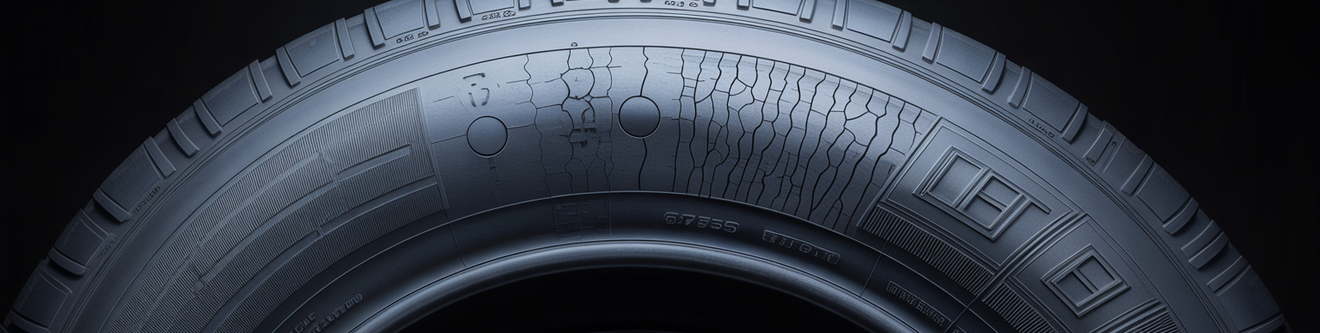
A truck spare tire is the wheel and tire assembly stored under, behind, or inside a pickup or SUV that's meant to get you home after a flat. Most truck owners assume the spare is fine until they need it — but rubber ages whether it's driven on or not, and a spare that has spent eight or ten years bolted under the bed can be unsafe to use the day you finally pull it out.
A member of our team recently bought a used Chevrolet Silverado 1500 4WD and, before a Colorado vacation, decided to inspect the spare. He dropped it down from its under-bed carrier and found the tread grooves cracked and crumbling. Years of road spray, temperature swings, and inactivity had broken down the rubber. The tire still held air, but the structural integrity was gone — it would not have been safe to drive on, especially under a loaded truck heading into the mountains.
When a Truck Spare Actually Needs Replacing
Tires have two clocks: tread wear and age. Spares almost always die from age, because they rarely accumulate enough miles to wear down. The rubber compound oxidizes over time, even sitting in the dark. Heat speeds it up. UV light speeds it up. Ozone speeds it up. By year ten, most spares have lost enough flexibility that the sidewall can split under load.
Per BFGoodrich's technical bulletin on tire service life, tires should be replaced after ten years from the date of manufacture regardless of remaining tread, including the spare. Most other major brands — Michelin, Continental, Bridgestone, Goodyear — issue similar guidance in the six-to-ten-year window depending on storage and climate. The U.S. Tire Manufacturers Association and NHTSA both note that aging is harder to see than wear, which is why dated checks matter more than visual inspection alone.
How to Read the Spare Tire's Date Code
Every tire sold in the United States has a DOT code stamped into the sidewall. The last four digits give the week and year of manufacture. "2218" means the 22nd week of 2018. If you find a date code older than six years on a daily-use tire, consider replacing it. If it's older than ten years on a spare, replace it without hesitation — even if the tread still looks new.
Check the spare's DOT code at the same time you check the date codes on the four tires you actually drive on. Add a five-minute spare inspection to one of your scheduled oil changes each year.
Full-Size vs. Compact Spares on Trucks
Most full-size pickup trucks ship with a full-size spare — a matching tire on a matching or steel wheel, stored under the bed. Some half-ton trucks and many SUVs ship with a compact "donut" spare to save weight and cargo space. The two carry very different real-world rules.
- Full-size matching spare. Same size, load rating, and (usually) tread pattern as the four road tires. Safe at highway speed for as long as the tire is in good condition. Should be rotated into the four-tire set during regular rotations so all five tires wear evenly.
- Full-size non-matching spare (steel wheel). Same outer diameter and load rating, but a different wheel finish or tread pattern. Safe to use, but not appropriate for rotation. Inspect once a year and replace on the same age schedule.
- Compact / temporary spare. Smaller, lighter, designed for short-distance emergency use only. Typically rated for a 50-mph maximum and a 50-to-70-mile range. Should never be rotated into normal use.
What to Inspect on a Truck Spare
Inspect the spare at least once a year. On under-bed truck spares, also check the carrier mechanism — corroded cable winches are a common failure point and can prevent you from dropping the spare on the roadside.
- Inflation pressure. Full-size truck spares typically run the same pressure as the road tires (35-45 psi for half-tons; check the door-jamb placard). Compact spares require 60 psi — much higher than mains.
- Sidewall and tread condition. Look for cracking, dry rot, bulges, embedded objects, and visible weathering. Flex the sidewall gently — if you see fine cracks open up, the rubber has aged out.
- DOT date code. Replace at ten years regardless of appearance.
- Carrier / mount. Drop the spare to the ground at least once a year. A spare you can't access is the same as no spare at all.
Rotating a Full-Size Spare Into Service
If the spare matches your road tires, include it in scheduled rotations starting at the first rotation after purchase. A five-tire rotation cycle distributes wear across all five tires, so the spare ages with the set instead of sitting idle for a decade and dying from inactivity. When it's time to replace the four road tires, you can replace all five at once and your spare stays current.
If the spare sits on a non-matching steel wheel, rotation is impractical — you'd have to dismount and re-mount tires to swap. In that case, plan to replace the spare on its own ten-year schedule and accept that it will never see use unless you need it.
What This Means for You
Drop your truck spare to the ground this weekend. Read the DOT date code. If it's older than ten years, replace it. If it's between six and ten years and shows visible cracking, replace it. If it's newer than six years and looks healthy, add a calendar reminder for next year. A $150 spare you never use is one of the cheapest pieces of insurance in your driveway — but only if it actually works when you need it.
Frequently Asked Questions
How long does a truck spare tire last?
Can I drive on a 15-year-old spare?
How much does a replacement truck spare cost?
Should the spare be the same brand and model as my road tires?
Where can I read the manufacturer's official guidance on spare tire age?
Related Topics
Keep going on tire-age and spare-tire questions:
- How Long Do Tires Last? — Tire age limits, tread depth, and replacement signals.
- Guide to Using a Temporary / Compact Spare Tire — Speed limits, distance, and inflation pressure for donut spares.
- What Do Manufacturers Have to Say About Tire Age? — Manufacturer bulletins on tire service life and replacement.
- Tire Safety & Blowout Statistics 2026 — How often tire failures cause crashes and why age matters.
Sources
This article draws on tire-manufacturer technical bulletins and U.S. regulatory guidance.
- BFGoodrich — Tires Service Life Recommendation — Ten-year replacement recommendation regardless of tread depth.
- Michelin — When Should I Replace My Tires? — Service life guidance from one of the largest global manufacturers.
- Continental Tire — Tire Basics — How heat, UV, and ozone shorten tire service life.
- Bridgestone — Tire Aging & Maintenance — Guidance on storage, aging, and inspection.
- Goodyear — Tire Care & Maintenance — Replacement intervals and age-out signals.
- NHTSA — Tire Safety — Federal safety guidance on tire age and inspection.
- NHTSA — TireWise: How to Read the DOT Code — Federal consumer guide to reading the DOT date code.
- U.S. Tire Manufacturers Association (USTMA) — Tire Care & Safety — Industry consensus on tire age and replacement intervals.
- Tire Rack — Tech Information & Test Results — Independent reference on DOT date codes and tire age.
- Consumer Reports — Tire Buying Guide — Consumer-side guidance on tire replacement and age.
- AAA — Tire Care — Roadside-assistance perspective on tire age, spare condition, and inspection.
Before you replace a truck spare, search your tire size or vehicle on SearchTires to compare drive-out prices on matching spares at installers near you.