Unveiling the Top 10 Quality Ranked Tire Brands in the US: Demystifying Marketing Influences
The 10 US tire brands that consistently rank well in independent testing - Michelin to Hankook - and how to spot brand rankings that were paid for, not earned.
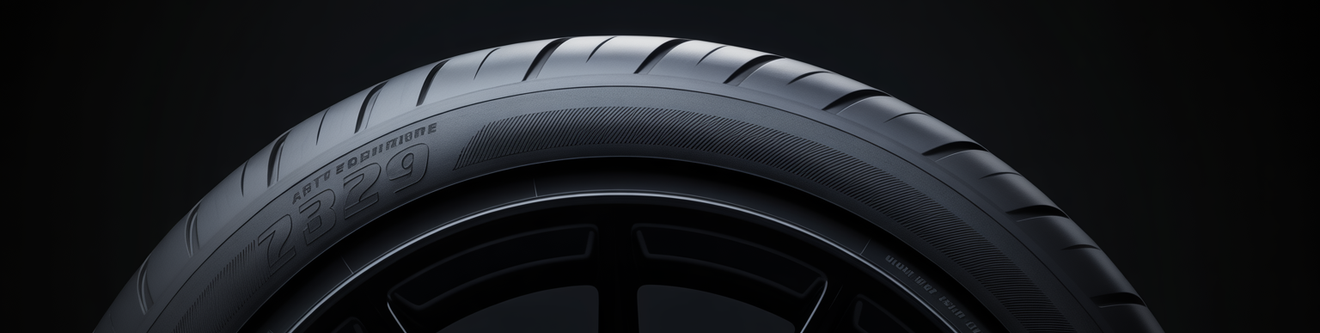
Picking the right tire brand affects how the car handles, how long the tires last, and how safely they get you through a wet corner or a winter morning. With dozens of options on the shelf — and tire manufacturers spending heavily on advertising — it can be tough to tell a genuine quality leader from a well-marketed name. This guide ranks the ten tire brands most consistently called out for quality in independent testing and consumer reviews, then walks through how marketing dollars shape the rankings you see elsewhere.
The 10 Quality-Ranked Tire Brands
These ten brands appear repeatedly across independent testing (Consumer Reports, Tire Rack) and industry awards (J.D. Power). Rankings are based on consistency of test results, treadwear performance, wet- and dry-grip scores, and consumer reliability — not advertising spend.
1. Michelin
Michelin — Renowned for tread longevity and consistent test-podium finishes, Michelin delivers across performance, safety, and durability. Strong in nearly every category — touring, performance, truck, EV — and almost always the longest-warrantied option in its class.
2. Continental
Continental — Globally recognized for cutting-edge tire technology and a heavy emphasis on safety. Continental tires score especially well on wet and dry traction, precise handling, and tread life on touring and all-season lines.
3. Pirelli
Pirelli — Known for high-performance and ultra-high-performance tires. With deep motorsport heritage (the official tire of Formula 1), Pirelli pairs superior grip and precise handling with advanced compound technology — built for enthusiast and sports-car drivers.
4. Bridgestone
Bridgestone — A trusted, broad-lineup brand spanning passenger cars, light trucks, and commercial fleets. Strong all-season traction, comfort, and fuel-efficiency scores; reliable warranties across most categories.
5. Goodyear
Goodyear — Strong US footprint with reliable, innovative tire solutions. Durable, all-season-capable lineups; excellent wet traction on touring tires; balanced performance and longevity across most price tiers.
6. Yokohama
Yokohama — Advanced tire technology with a clear sustainability angle. Yokohama lines prioritize fuel efficiency, ride comfort, and low road noise — strong daily-driver picks at a step below premium pricing.
7. Cooper
Cooper — Wide-range manufacturer (now part of Goodyear) known for reliability and value. Good traction, durability, and all-season performance across passenger, SUV, and light-truck applications — frequently the best mid-tier pick.
8. Falken
Falken — Performance-and-affordability balance. Falken delivers responsive handling, reliable traction, and a comfortable ride at noticeably lower price points than the top three — popular with budget-conscious drivers and tuner builds.
9. BFGoodrich
BFGoodrich — Synonymous with off-road performance and rugged builds. BFG's all-terrain and mud-terrain lines are category leaders; on-road stability and all-season capability are strong on its passenger lineup.
10. Hankook
Hankook — Value-leader brand offering reliable performance and affordability. Responsive handling, solid traction, and a comfortable ride — increasingly an OEM tire on Hyundai-Kia and other newer-vehicle lineups.
How Marketing Dollars Shape the Rankings
Many of the "best tire" articles you'll find rank brands at least partly on advertiser relationships. Publications that take significant ad spend or sponsorship from specific tire makers tend to feature those brands prominently and rank them highly — compromising the objectivity of the ranking.
Here is how to spot a ranking that has been shaped by marketing rather than performance:
- Every brand in the top ten happens to be a big advertiser in the same publication.
- The article doesn't cite independent test results — only manufacturer marketing copy.
- No criteria are stated, or the criteria are vague ("best overall," "top pick").
- Smaller or niche brands with strong independent test scores are absent without explanation.
To cut through the noise, cross-reference three kinds of sources before deciding on a brand:
- Independent testing labs — Consumer Reports and Tire Rack run controlled tire tests across wet braking, dry handling, tread life, and noise. Their rankings are not for sale.
- Awards based on owner data — J.D. Power surveys real tire owners on long-term satisfaction; the results often differ from marketing-driven "best of" lists.
- Trade-industry rankings — outlets like Tire Business and Modern Tire Dealer publish revenue, market-share, and manufacturer data that show which brands actually move volume in the US.
Cross-referencing those three sources — independent testing, owner-satisfaction data, and trade-industry rankings — gives you a much clearer view of brand quality than any single publication's top-10 list.
Compare Drive-Out Prices Before You Buy
Once you've shortlisted a brand or two, the next step is finding the right size for your vehicle and seeing what each retailer actually charges out the door — installation, balancing, valves, and disposal included. Search your tire size or vehicle on SearchTires to compare drive-out prices across local shops and online retailers near you.
Related Topics
Dig deeper into tire brand quality, pricing, and market data:
- Tire Brand Market Share 2026 — How market share lines up across these brands — the numbers behind the rankings.
- Tire Price Statistics 2026 — What replacement tires actually cost across each brand and tier.
- Tire Industry Statistics 2026 — 50+ tire-industry stats covering market size, brand share, and EV trends.
- Tire Safety & Blowout Statistics — Independent crash and failure data, regardless of which brand you choose.
- Michelin Tires: Find the Perfect Fit — Deeper review of the brand topping most quality rankings.
Methodology and Sources
Brand rankings are compiled from independent tire-testing organizations, consumer-satisfaction surveys, and trade-industry market data — not from manufacturer advertising. We update this article annually; if a brand's lineup or testing position has shifted meaningfully, let us know.
Independent testing and consumer reviews
- Consumer Reports — tire buying guide — independent tire testing across treadwear, wet and dry braking, noise, and ride.
- Tire Rack — Tire Tech Information — long-running independent tire-testing and reference library.
- J.D. Power — annual tire-owner satisfaction studies based on real-world owner data.
Trade-industry and market data
- Tire Business — Crain-published trade outlet covering tire-industry revenue, market share, and the Top 75 Tire Makers list.
- Modern Tire Dealer — independent dealer-channel reporting on brand sell-through and market trends.
- U.S. Tire Manufacturers Association (USTMA) — replacement-market data and industry standards.
Manufacturer references (specs and lineup)
- Michelin — passenger, SUV, light truck, and EV lineups.
- Continental — touring, performance, and SUV lineups.
- Pirelli — high-performance and ultra-high-performance lineups.
- Bridgestone — broad lineup spanning passenger to commercial.
- Goodyear — touring, all-season, performance, and light-truck lines.
- Yokohama — touring, performance, and eco-oriented lineups.
- Cooper — passenger, SUV, and light-truck lineups (a Goodyear-owned brand).
- Falken — performance, all-season, and all-terrain lineups.
- BFGoodrich — passenger, all-terrain, and mud-terrain off-road lineups.
- Hankook Tire — touring, performance, and OE-fitment lineups.