Michelin Tires: Find the Perfect Fit
Michelin tires deliver long tread life, smooth ride, and strong grip but cost more. Here is who they fit, by vehicle, and how to compare drive-out prices.
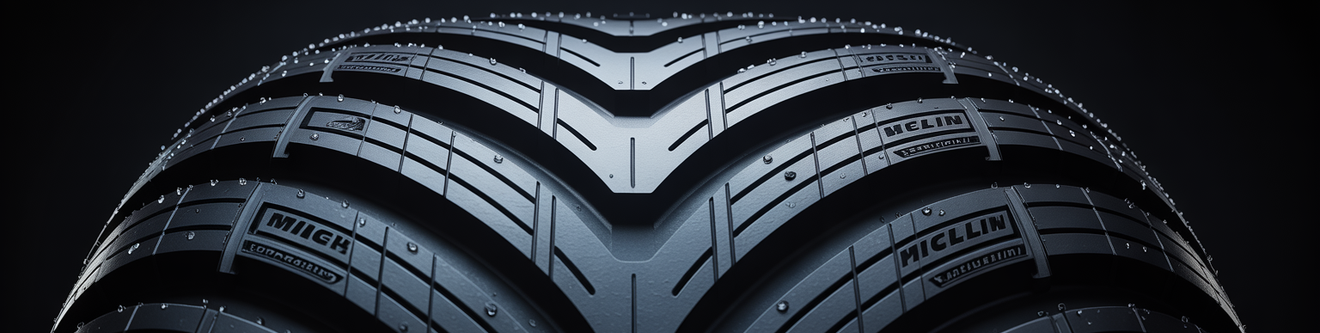
You don’t need to know much about tires to know that Michelin is one of the leading manufacturers. The company was founded in 1889, making it one of the oldest tire manufacturers, right behind Pirelli and Continental AG. Since then, Michelin has been at the forefront of tire innovation as the brand responsible for creating the first pneumatic automobile tire, and let us not forget the iconic marketing with the Michelin Man. America’s cars have been riding on Michelin tires for more than a century, and for good reason.
Michelin Tires: The Pros and Cons
Summary of Michelin's advantages
- Exceptional traction/grip in changing weather conditions
- Long-lasting tread, offering the best value for money
- Creates a smooth, comfortable ride
- Innovative technologies, such as self-sealing and run-flat tires
- Extensive product range, offering something for every vehicle
Summary of Michelin's disadvantages
- Usually cost more than the competitors
- Limited availability in some areas
- Off-road-focused lineup can cut down on fuel efficiency slightly
Performance
*How do tires affect performance?*
Performance starts with the car, from the drivetrain and suspension to the engine power and brakes. However, tires also play an integral role in car performance and shouldn’t be overlooked. The way a car handles has everything to do with how well the vehicle responds to driver input.
Tires are the end of the chain. They finalize all of the efforts made by the vehicle by transferring the power to the ground. Both cornering and steering are affected by how good the tire is. A lower-profile tire with a stiffer sidewall allows for less flex, providing more control.
*How good are Michelin tires on wet roads?*
*How good are Michelin tires in snow?*
For traversing heavy snow and ice, it’s important to have a more aggressive tread pattern. Michelin has a wide range of tires specifically built for these conditions, such as the **X-ICE** snow tire with its Cross Z sipes (grooves cut into the tread blocks that form an angle resembling the letter “Z”) combined with a FleX-Ice tread that offers more flexibility when temperatures dip below freezing for uncompromised traction.
*How well do Michelin tires perform on sports cars?*
Comfort and Noise Levels
*Do Michelin tires have a comfortable ride?*
Michelin has optimized tread patterns, specialized rubber compounds and variable-pitch tread blocks to ensure the ride is as smooth as possible. The tires absorb road imperfections to make the drive more comfortable. Michelin makes Luxury Performance Tires specifically designed to offer a smoother ride to premium vehicles.
*What are the quietest Michelin tires?*
It doesn’t matter if I am sitting behind the wheel of a sports car or a lifted truck, I don’t want to hear road noise. I’m sure I’m not the only person that craves a quiet ride. Thankfully, Michelin uses noise reduction technology to minimize vibration and noise. The advanced tread designs have optimized pitch sequencing (deliberate arrangement and variation of tread block sizes and shapes that disrupt and minimize certain frequencies) for a quiet ride. If you drive a luxury sedan, may we recommend the Michelin Primacy MXM4, ranked as one of the quietest.
Longevity and Treadwear
*How many miles will Michelin tires last?*
Tire mileage varies based on the climate, road conditions, maintenance and tire type. However, Michelin is often among the longest-lasting tires. A study by Consumer Reports puts the **Michelin Defender T+H** all-season tire and **CrossClimate2** all-weather tire both at 85,000 miles of life. That’s on the higher end of the average projected by the study (between 55,000 and 85,000 miles). From a mechanic’s standpoint, I’ve not only seen Michelin tires last longer, but I’ve also noticed that they tend to suffer from fewer road hazard damages and the tread wears more evenly overall.
*How can I make my Michelin tires last longer?*
You probably get tired of hearing it, but maintenance is the number one way to prolong tire life. Make sure the tire pressures are right and follow the recommended maintenance schedule. The schedule may include tire rotation every 5,000 to 10,000 miles, yearly wheel alignment and regular tire balancing.
It’s also critical to use the right tires for your climate and driving environment and take steps to drive sensibly. If you aren’t a professional race car driver, driving like one during your daily commute is unnecessary. Avoid harsh stops and rapid acceleration, looking ahead to anticipate what the traffic is doing so you can take earlier actions. Aside from the common, practical advice that we’ve all been taught, it’s also wise to check the suspension regularly. Perform a bounce test on the car. Don’t be afraid to push down on the car and give it a good bounce. It should regulate itself quickly if the suspension is in good shape. While the car is jacked up, you can grab hold and shake those wheels slightly. If there’s any wiggle, either side-to-side or up and down, you may need the tie rods or ball joints replaced.
Price
*Why are Michelin tires so expensive?*
Michelin spends a lot of time designing, engineering, and testing. With so much more research and development than other companies, there’s a higher cost involved, but they are also considered safer overall. Michelin also uses durable, reliable materials that are meant to last. That’s why Michelin tires are used by many of the top professional racing teams.
*Are Michelin tires worth the price?*
Michelin tires should provide more tread life, meaning less frequent changes. For that reason alone, they may be worth the extra cost. When you also factor in better performance and handling, paying more for Michelin tires is almost a no-brainer.
Consider this scenario:
- Customer A buys cheap tires for \$125 a piece. After 55,000 miles, the tires need to be replaced, costing the customer \$125 a piece yet again.
- Customer B buys Michelin tires for \$190 a piece. After 85,000 miles, the tires need to be replaced.
Let’s evaluate the cost through 200,000 miles of ownership.
- Customer A: \$1,815 total (\$500 spent 3.63 times) on cheap tires
- Customer B: \$1,786 (\$760 spent 2.35 times) on quality tires
In the end, Customer B actually spent less and got better tires, ultimately getting the better deal on many fronts.
Choosing the Right Michelin Tires for Your Vehicle
The basic questions
When it comes time to choose tires for your vehicle, there are many different Michelin varieties to choose from, which can be confusing if you’re experienced. However, a few simple questions can help you narrow down the options.
What’s my vehicle tire size?
The tires must be the appropriate size for your vehicle. There are five ways to find the tire size: look at the driver’s side information label, read the owner’s manual, examine the tire measurements, do an online search or ask a local tire expert.
- Look at the driver’s side information label: On the driver’s side door panel is a card that lists some manufacturer specs, including the right tire size and appropriate pressures.
- Read the owner’s manual: Find the section about wheels and tires in your owner’s manual to source the size.
- Examine the tire measurements: The number on your tire’s sidewall does show the size. However, if somebody else installed larger or smaller tires, they may not match the OEM specifications, so you should double-check with one of the other methods.
- Do an online search: Search your year, model and trim level to find the tire size. Just remember that not everything you read online is true. It’s best to use this method as a last resort.
- Ask a local tire expert: Tire professionals have the most experience and can help you match the size.
Do I need seasonal tires?
Most people throw all-season tires on the vehicle and don’t give it another thought. That works in most situations, but there are times when getting summer or winter tires makes sense.
Summer tires offer better performance in hot and rainy conditions. They prevent hydroplaning, which is critical if you are focused on performance. Yet, winter tires would need to be installed once the temperatures get below 44 degrees Fahrenheit. Winter tires are optimal for climates where it snows frequently, but shouldn’t be used once it warms back up because the softer rubber compound can quickly overheat.
Do I frequently tow or haul heavy loads?
Should I prioritize comfort or all-out performance?
Choosing between all-out performance and comfort depends on your vehicle type, driving preferences and the intended usage. If you prefer a smoother ride over aggressive performance, then a tire centered around comfort makes more sense. Additionally, luxury sedans and SUVs do better when the tires accent refinement and comfort.
Is off-road capability important to me?
Do you love to tear up the trails? If so, comfort isn’t your top priority. Instead, you need an aggressive tire that can bite down into the various terrains and help you overcome obstacles. If you drive your vehicle on- and off-road, finding a balance between the two is essential so the ride isn’t too rough when you head into work.
Sedans and Everyday Cars
*Best Michelin tires for a sedan?*
All-season driving is best with the Michelin Primacy Tour A/S. It’s designed for coupes, sedans, crossovers and SUVs, providing a smooth ride and minimal noise. It also offers superior year-round traction and can even manage light snow conditions like a champ.
This Michelin tire is available in sizes between 17” and 22” and covered by Michelin’s warranty for up to 55,000 miles, so you won’t have to think about paying for new tires for many years.
SUVs and Crossovers
*What are the best Michelin tires for SUVs?*
There’s no one-size-fits-all solution with SUVs because drivers have different preferences. For example, one driver may prefer a comfortable, quiet ride, leading them to pick the Michelin Primacy Tour A/S. However, others use SUVs for towing and hauling, so the Michelin Defender LTX M/S 2 may be a better option. On the other hand, if you like to explore off-road paths instead, you may consider the Michelin Primacy XC a top choice.
*What are the best Michelin tires for crossovers?*
The purpose of most crossovers is to provide an efficient and comfortable driving experience. Most models include standard front-wheel drive and aren’t made for off-roading or towing. Therefore, the Michelin Latitude Tour is a top option because of the on-road comfort and handling.
These tires are available in 18” and have a 65,000-mile warranty, so you know they are going to offer plenty of life.
*What are the best Michelin tires for SUVs in snow?*
Once you add snow to the mix, more consideration must be given to the chosen tire. It’s estimated that more than 550,000 Americans get into car crashes related to winter weather every year. That’s why we often recommend the X-Ice if you live in a cold climate region.
These winter tires by Michelin are available in 15” to 20” and provide maximum confidence for driving on slippery surfaces. The unique tread design offers better grip and braking performance, helping to prevent an accident.
Trucks and Work Vehicles
*What are the best Michelin tires for trucks that tow?*
We recommend the Michelin Defender LTX M/S. It’s an all-season tire that provides excellent handling and traction but doesn’t neglect the smooth, comfortable ride that today’s drivers expect. It’s great for big wheels too, with sizes from 17” to 24”. Drivers receive further protection with the 70,000-mile warranty.
*What are the best Michelin tires for off-roading?*
The Michelin LTX A/T2 is a top choice for off-roading and daily travel. This all-terrain tire has a compound that specifically resists tearing and chipping, leading to better durability. Available in sizes ranging from 16” to 20”, the LTX A/T2 has a 60,000-mile warranty.
*What are the most aggressive Michelin tires?*
If you have a fleet of trucks for specific industries, such as logging or mining, you need a more aggressive tire than what’s available on the personal size. Thankfully, Michelin has an entire business lineup, including the **X Works D**, which is intended for heavy-duty jobs.
*Are Michelin all-terrain truck tires worth the price?*
In all of my years working on cars, I’ve never seen a driver unhappy with their Michelin tires, but I get that the cost can be overwhelming. If you don’t spend much time off-road and need to stick to a budget, you may be just as happy with a less expensive option. However, if durability, off-road performance and longevity matter, it’s best to stick with the Michelins.
Sports Cars and Performance Vehicles
*What are the best Michelin tires for sports cars?*
The Michelin Pilot Sport All Season 4 is a top choice for performance. It’s good in all seasons, with superior gripping technology. It’s the tire chosen by Chevy Corvette and is supercar certified. This tire is available in sizes between 16” and 22” inches and has a 45,000-mile warranty.
*How good are Michelin sport tires?*
High-performance tires often have a shorter lifespan than others, but Michelin sport tires provide outstanding grip that can’t be beaten. Advanced tread compounds ensure maximum contact with the road for better handling and increased confidence.
Other Applications for Michelin Tires
Fuel Efficiency and Eco-Friendly Choices
What makes a tire eco-friendly?
Giving a tire an eco-friendly label can mean many different things. It could include low-rolling resistance, advanced tire compounds, lightweight construction, use of recycled materials, manufacturing processes and end-of-life considerations.
- Low-rolling resistance: Rolling resistance is the force required to move the tire forward. The lower this resistance is, the more fuel efficiency is achieved because there’s less energy needed to propel the tires.
- Advanced tire compounds: An eco-friendly tire has innovative compounds that reduce energy loss and heat generation. Silica is one compound used that reduces rolling resistance and enhances traction.
- Lightweight construction: A lighter tire means less energy is needed to maintain speed and acceleration, thereby reducing the fuel consumption.
- Use of recycled materials: Eco-friendly tires often use recycled materials for construction, such as rubber from older tires.
- Manufacturing processes: Eco-friendly tires are produced using processes that prioritize environmental stewardship, waste reduction and energy efficiency. The tires may be more eco-conscious if the company strives to reduce water and energy consumption.
- End-of-life considerations: Some tires are made with biodegradable materials for a quick breakdown after disposal. The goal is to minimize the environmental impact of the tires.
A tire doesn’t need to check all of these boxes to be deemed eco-friendly, but the more aspects that are hit, the more eco-conscious it is. Michelin Energy Saver tires reduce carbon emissions and improve fuel efficiency, while the company strives to use 100% renewable materials in all tires by 2050.
*How much gas can I really save with fuel-efficient tires? *
*Does sacrificing tire performance mean better fuel efficiency?*
Not necessarily. Where there’s a big difference is the off-road tire versus the efficient option. Heavier materials needed for off-road-ready construction increase the rolling resistance, which hurts fuel economy. However, many on-road performance tires are also lightweight and designed to be efficient.
Michelin Energy Saver A/S: Striking the Balance between Efficiency and Sustainability
Michelin Energy Saver A/S Tires: Fuel Efficiency and All-Season Performance
Michelin Energy Saver A/S tires are a testament to Michelin's commitment to delivering fuel efficiency and reliable all-season performance. These tires are specifically designed to reduce rolling resistance, which can lead to improved fuel economy. With advanced technology and carefully formulated energy-saving compounds, the Energy Saver A/S tires can help drivers save money at the pump while minimizing their carbon footprint.
Pros:
- Fuel Efficiency: The Energy Saver A/S tires excel in fuel efficiency, allowing drivers to enjoy savings on their fuel expenses over the life of the tires. The reduced rolling resistance and optimized tread design contribute to this impressive fuel economy performance.
- All-Season Performance: Michelin has engineered these tires to provide excellent traction on both wet and dry road surfaces. The specialized tread pattern enhances grip, ensuring confident handling and shorter braking distances in various weather conditions.
- Durability: The Energy Saver A/S tires are known for their durability. Michelin's craftsmanship and high-quality materials make these tires long-lasting, reducing the frequency of replacements and ultimately saving costs for the driver.
Cons:
- Ride Comfort: Some drivers may find that the Energy Saver A/S tires prioritize fuel efficiency over ride comfort. While they perform well in fuel economy, the trade-off can be a slightly firmer ride compared to tires with a focus on comfort.
- Snow and Ice Performance: While the Energy Saver A/S tires offer decent performance in light snow conditions, they may not be the optimal choice for drivers who frequently encounter severe winter weather. For those living in regions with heavy snowfall, winter-specific tires may be more suitable.
*Are Michelin Energy Saver A/S tires worth the money?*
There’s no question that the Michelin Energy Saver A/S tires are on the expensive side, but that money could be made up in fuel over time. By reducing rolling resistance, fuel is saved and carbon emissions are reduced. Depending on the type of car you drive and your driving style, you could save a lot of money over the years, so these tires may be worth it to you.
*Are eco-friendly tires like the Michelin Green X less durable?*
Michelin uses the Green X to designate when a tire is among the highest energy-efficient options. Tires, such as the Michelin Energy Saver All Season, are meant to be just as durable as standard tires but more eco-friendly. There’s no indication that they will wear faster, with Michelin adding a 65,000-mile warranty to this lineup.
Competing Products:
- Bridgestone Ecopia EP422 Plus: The Bridgestone Ecopia EP422 Plus tires are renowned for their eco-friendly performance and all-season capabilities. These tires feature an optimized tread compound and design that reduces rolling resistance, leading to improved fuel efficiency. With strong wet and dry traction, they offer a comfortable and quiet ride. The Ecopia EP422 Plus tires also boast a long-lasting tread life, making them a popular choice for drivers seeking a balance between fuel efficiency and performance.
- Continental TrueContact Tour: The Continental TrueContact Tour tires are engineered to provide exceptional fuel efficiency and a comfortable driving experience. These tires feature an advanced all-season tread compound and an optimized tread pattern that enhances grip on wet and dry surfaces. With low rolling resistance and excellent durability, the TrueContact Tour tires offer long-lasting performance. They also deliver a smooth and quiet ride, making them ideal for drivers who prioritize comfort alongside fuel efficiency.
Where to Buy Michelin Tires and Finding the Best Deals
Is buying online or in-store better for me?
You can buy tires online or in-store and both have pros and cons. With the internet, it’s easy to get scammed, and you can’t always be sure of the perfect fit. There’s usually no professional to talk to either for advice.
However, going to the store to work everything out can be time-consuming, especially if you need to look around for the best price or find a shop with your tires in stock.
With Searchtires.com, we bring the two worlds together for the best outcome. You search local shops for your tires and gain access to professionals who can steer you in the right direction.
What are the benefits of authorized Michelin dealers?
- Quality assurance with genuine Michelin products.
- Expert advice and specialized training at authorized dealers.
- Comprehensive warranty coverage for peace of mind.
- Dedicated customer support for tire-related needs.
- Access to exclusive offers and promotions.
While there are many benefits to choosing authorized Michelin dealers, it's essential to consider potential drawbacks as well:
- Higher costs compared to other sellers.
- Limited access to dealerships in some areas.
- Strict warranty requirements and maintenance guidelines.
- Potential pressure for upselling additional products or services.
- Reliance on Michelin's brand reputation may not suit all preferences.
Despite these potential drawbacks, the overall benefits of choosing authorized Michelin dealers often outweigh the cons, providing you with peace of mind, quality products, and reliable services for your vehicle's tire needs.
When is the best time of year for tire sales?
For tires designed to be used during a certain season, you’ll find the best rate off-season, except for manufacturer promotions created for that season. Ideally, you want to purchase seasonal tires at the end of the season, when tire shops need to move the inventory. However, to do this, you need to have a good place to store the tires.
End-of-year clearance events are always good as the shop is looking to clean house. You also want to watch for any manufacturer rebates, which can happen any time of year. Finally, consider buying tires right after a new model is introduced. You can find great deals on the previous versions as the tire shops look to upgrade.
FAQs About Michelin Tires
What are the best Michelin tires?
How long do Michelin tires last under normal circumstances?
- Pilot Sport 4 S: 30,000-mile warranty
- Primacy Tour A/S: 55,000-mile warranty
- LTX Trail: 55,000-mile warranty
- Energy Saver All Season: 65,000-mile warranty
- Defender LTX Platinum: 70,000-mile warranty
- BFGoodrich g-Force Sport COMP-2: 6 year standard limited warranty
- Goodyear Eagle F1 Asymmetric: 45,000-mile warranty
- Bridgestone Potenza RE71R: 90 day buy & try warranty, no mileage warranty offered (PDF)
- BFGoodrich Advantage Control: 75,000-mile warranty
- Goodyear Assurance WeatherReady: 60,000-mile warranty
- Bridgestone Ecopia: 65,000 to 70,000-mile warranty (PDF), depending on exact model
Where are Michelin tires made?
Do Michelin tires come with any special features or technologies?
Can I repair a flat Michelin tire myself?
Does the Michelin tire warranty cover nails?
How to choose the right Michelin tires for your car?
So, is Michelin better than Bridgestone or not?
Are there fake Michelin tires?
Conclusion
Compare Michelin Drive-Out Prices Near You
Michelin's reputation is earned, but every shop prices the same tire differently once installation, balancing, valves, and disposal are added. Before you buy, search your tire size or vehicle on SearchTires to compare full drive-out prices on Michelin and competing brands across local shops and online retailers near you.
Related Topics
Dig deeper into how Michelin fits into the broader tire market and your buying decision:
- Tire Brand Market Share 2026 — How Michelin ranks against Bridgestone, Goodyear, and other top brands.
- Tire Price Statistics 2026 — Where Michelin tires sit in the broader replacement-tire price range.
- Winter & Seasonal Tire Statistics — How seasonal-tire use shapes Michelin's lineup and your buying decision.
- Tire Size Popularity Statistics — Most-common US tire sizes — verify before shopping for Michelins.
- EV Tire Statistics 2026 — How EV-specific tires fit into Michelin's lineup (and your shortlist).
Methodology and Sources
Michelin warranty figures, tire-line specifications, and brand-comparison data are compiled from manufacturer documentation and independent tire-testing organizations. We update this article annually; if you spot a warranty or spec that has changed, let us know.
Manufacturer sources
- Michelin USA — tire lines, warranties, technologies, and tire-selector tools.
- Bridgestone Tire — referenced for comparison warranties and specs.
- Goodyear — referenced for comparison warranties and specs.
- BFGoodrich — referenced for performance and all-terrain comparison tires.
Industry and consumer references
- U.S. Tire Manufacturers Association (USTMA) — replacement-market data and tire-care standards.
- Consumer Reports — tire buying guide — independent tire ratings, including Michelin lines.
- Tire Rack — Tire Tech Information — long-running independent tread-life and tire-spec reference.
- Tire Business — tire-industry trade reporting, including Top 75 Tire Makers.
© 2026 SearchTires.com
- Pirelli — referenced for high-performance tire comparison.
- Continental Tires — referenced for touring and SUV-tire comparison.
- Modern Tire Dealer — independent reporting on tire-industry sell-through and brand share.
Before you buy your next set of Michelins, search your tire size or vehicle on SearchTires to compare full drive-out prices — installation, balancing, valves, and disposal included — across local shops and online retailers near you.
© 2026 SearchTires.com